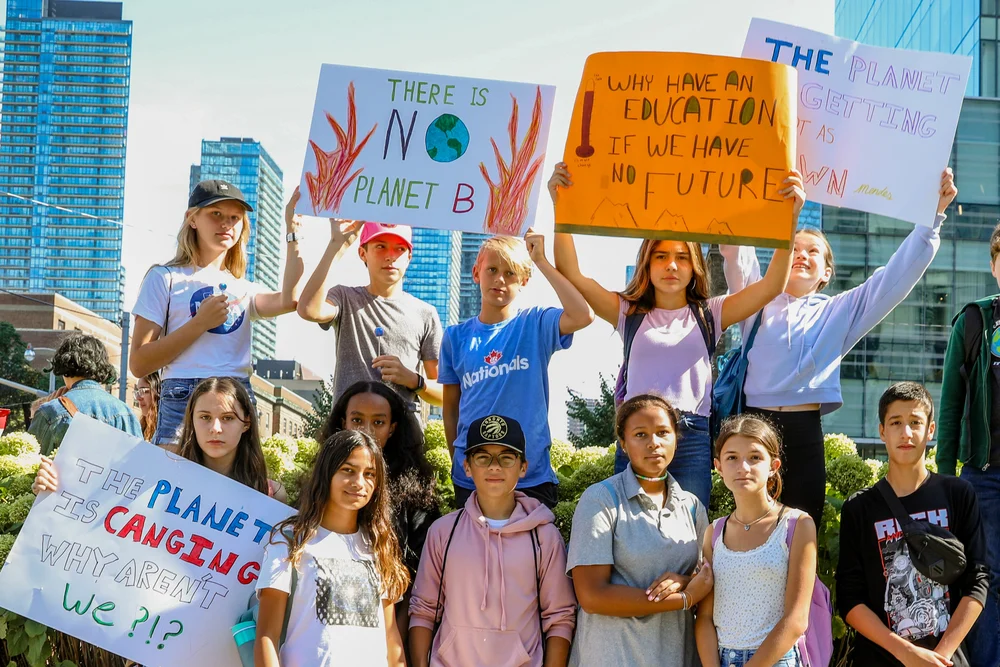

طقس شديد الشدة: مقدمة لموضوع هذا العام العالمي
إذا فتحت الأخبار أو فتحت هاتفك للتحقق من وسائل التواصل الاجتماعي، فمن المرجح أن ترى مقالة عن أحداث جوية شديدة. إنها في عناوين الأخبار أكثر من أي وقت مضى. وليس هذا بسبب تغطية إعلامية متزايدة فحسب: بل إن أحداث الطقس مثل حرائق الغابات والأعاصير والحر الشديد والجفاف والفيضانات الناجمة عن عواصف شديدة الحمم تزداد تواتراً وتواتراً وتواتراً مع مرور الوقت. وفي الواقع، فإن قوة حدث النينيو ومن المتوقع أن يحدث هذا العام.
ظواهر الطقس الشديدة هي نتيجة لتغير المناخ. ضع في اعتبارك هذه السلسلة المبسطة للعلاقة السببية: كل عام يتم حرق المزيد من الوقود الأحفوري، وتُزال الكهوف الكربونية لتلبية احتياجات البشر. وهذا يؤدي إلى زيادة في انبعاثات غازات الاحتباس الحراري. ارتفاع مستويات غازات الاحتباس الحراري هي أحد العوامل الرئيسية لتغير المناخ. ويشمل تغير المناخ ارتفاع درجات الحرارة العالمية، وتغيرات في أنماط هطول الأمطار، وارتفاع منسوب مياه البحر – وكل هذه الأمور تؤدي إلى ظواهر جوية شديدة الحرارة.
الأحداث الجوية الشديدة – التي تشمل الجفاف والأعاصير وحرائق الغابات والفيضانات والحر الشديد والبرد الشديد وما إلى ذلك – ليست جديدة. ولكن مع تزايد عدد سكان العالم واستمرار تغير المناخ، تصبح الأحداث الجوية الشديدة أكثر تواتراً و/أو شدة.
ومن المتوقع أن يواجه العالم خلال نهاية القرن ما يقرب من شهرين آخرين من درجات الحرارة القصوى. وتزيد درجات الحرارة والأوضاع الجافة من قابلية الحرائق لاندلاع في المناطق، مما يؤدي إلى حرائق أكثر حدة وتواتراً. أفاد الفريق الحكومي الدولي المعني بتغير المناخ ومن المتوقع أن تؤدي ارتفاع درجات الحرارة إلى زيادة قوة الأعاصير: حيث سيصل عدد الأضرار التي تلحق بالمناطق التي تقع ضمن الفئات 4 و5 إلى مستويات كارثية. كما أن ارتفاع درجات الحرارة يؤثر على دورة المياه، مما يتيح الظروف لظواهر الجفاف والفيضانات الأكثر حدة في جميع أنحاء العالم. صندوق الطبيعة العالمي لمعرفة المناطق التي تواجه أكبر المخاطر من مختلف أنواع الطقس الشديد.
يمكن أن يؤثر الطقس الشديد على النُظم الإيكولوجية للحيوانات البرية ويؤدي إلى فقدان الموائل. كما يمكن أن يؤثر على سبل كسب العيش والصحة والمساكن والوصول إلى الغذاء لدى الناس: فالفيضانات يمكن أن تسبب انهيارات أرضية وانتشار الأمراض؛ كما يمكن أن تسبب الأعاصير أضراراً في البنية التحتية.
يتم التعامل مع الظواهر الجوية الشديدة في أهداف التنمية المستدامة للأمم المتحدة (SDGs). الهدفان 9 و11 يركزان على بناء بنى تحتية ومدن قادرة على الصمود لمساعدة في تخفيف الضرر الناجم عن أحداث جوية شديدة أخرى. ويستهدف الهدف 13 تخفيف الزيادة العالمية في درجة الحرارة عن طريق الحد من انبعاثات غازات الاحتباس الحراري، مما يقل بدوره عن عدد أحداث الطقس الشديد.
تخيل أحد هذه الظواهر الجوية القاسية وكيف يمكنك التخفيف من تأثيرها أو منع حدوثها في المقام الأول. كيف ستضمن سلامة الناس وتقليل الضرر البيئي؟
حان دوركم ليكونوا جزءًا من الحل. اقرأوا النص الكامل ملخص موضوع الطقس الشديد ابدأ الآن!