
Economics: An Introduction to This Year’s Global Topic
When people think of economics, they typically think of money. But it’s more than dollars and cents. Economics is the study of how people, communities, and countries decide how to use their limited resources to meet their unlimited wants and needs. Resources include money, time, human skills, tools, technology, and natural materials like water, land, fossil fuels, and minerals. With the global population exceeding 8 billion and growing by tens of millions every year, the demand for essentials such as food, shelter, education, healthcare, and employment continues to rise. This makes it more important than ever for economic decisions to be sustainable, protect people, and preserve natural resources and the environment.
Economics is often divided into two main areas: microeconomics, which looks at the financial decisions of individuals, families, and businesses, and macroeconomics, which examines national and global issues like financial growth, unemployment, inflation, quality of life, and trade. Understanding these two branches of economics helps explain how various forces shape the overall health of an economy.
An economy includes all the activities involved in producing, buying, and selling goods and services. In a strong economy, people usually have more job opportunities, higher incomes, and better access to the things they need. In a struggling economy, jobs can be harder to find, wages may be lower, and access to basic needs can become limited. Factors like job availability, wages, consumer spending, government policies, and global trade can influence an economy’s strength or weakness. Natural disasters, political instability, and resource shortages can weaken economies by disrupting production and reducing access to goods and services.
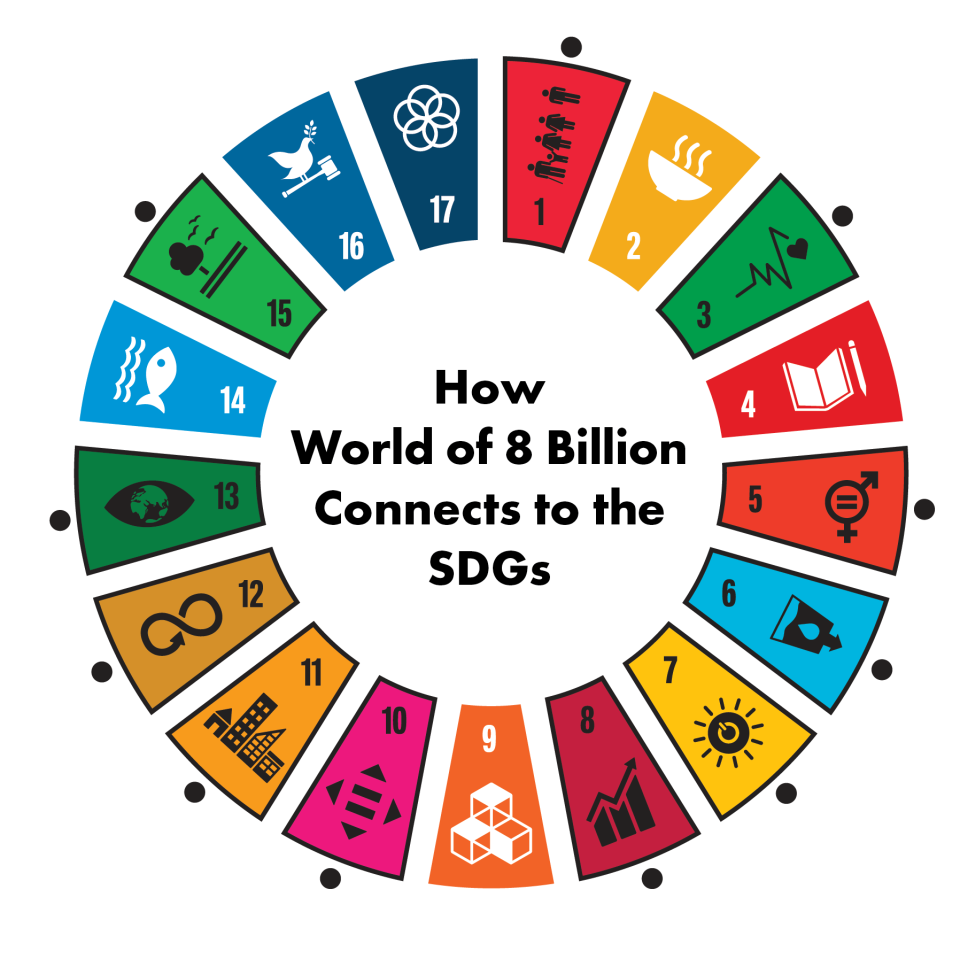
The United Nations’ Sustainable Development Goal 8 promotes economic growth that leads to decent work, equal opportunities, and environmental protection. This includes respecting workers’ rights, reducing poverty, supporting small businesses, and investing in clean energy. The quality of human life is essential to prosperous economies because healthy, educated, and well-supported people are more productive, innovative, and able to contribute to long-term growth.
Economics connects to many real-world issues you hear about every day, such as inequality, production and consumption, scarcity and choice, and government policies. Understanding economics can help you make informed choices as a consumer, worker, and citizen, and it can guide societies toward decisions that create a stronger, fairer, and more sustainable future.
Learn more about the global topic of economics by reading the full topic backgrounder. For more information about how to use the topic backgrounders, watch the short video below.