
Energy: An Introduction to This Year’s Global Topic
The energy we use to power our daily lives is generated in numerous ways – through sunlight by using solar panels, wind by using wind turbines, or by harnessing nuclear energy. However, it is most often created by burning fossil fuels: coal, oil, and natural gas. The reliance on fossil fuels for many years has triggered several negative side effects, including pollution, climate change, and habitat destruction. Accessing fossil fuels is also damaging. Entire habitats can be lost through processes like wholesale deforestation when extracting fuel underground.
Burning fossil fuels has negative health consequences for humans as well. Humans can develop asthma, cancer, heart disease, and experience premature death when consistently exposed to the environmental pollutants produced by the burning, waste, and use of fossil fuels. With a growing human population, there is potential for increased energy consumption, including the use of fossil fuels. This can lead to a rise in environmental and human health risks.
To combat these consequences, advocacy for renewable energy resources such as wind, solar, and water has increased. Renewable energy pollutes less and releases less carbon dioxide, but it is not perfect. There are instances in which, when poorly set up, renewable energy sources can still disrupt habitats. Mining to build the technology for renewable energy has negative environmental and social impacts. When not incorporated into existing systems and structures, solar and wind energy require large plots of land to capture energy. Others argue that solar and wind farms can be perceived as an eyesore.
Energy plays a major role in the development of a community. Energy powers large-scale community services like food production, water distribution, and transportation, and smaller-scale services like heating and cooling homes, cooking, and refrigeration. Yet many places today remain without access to energy.
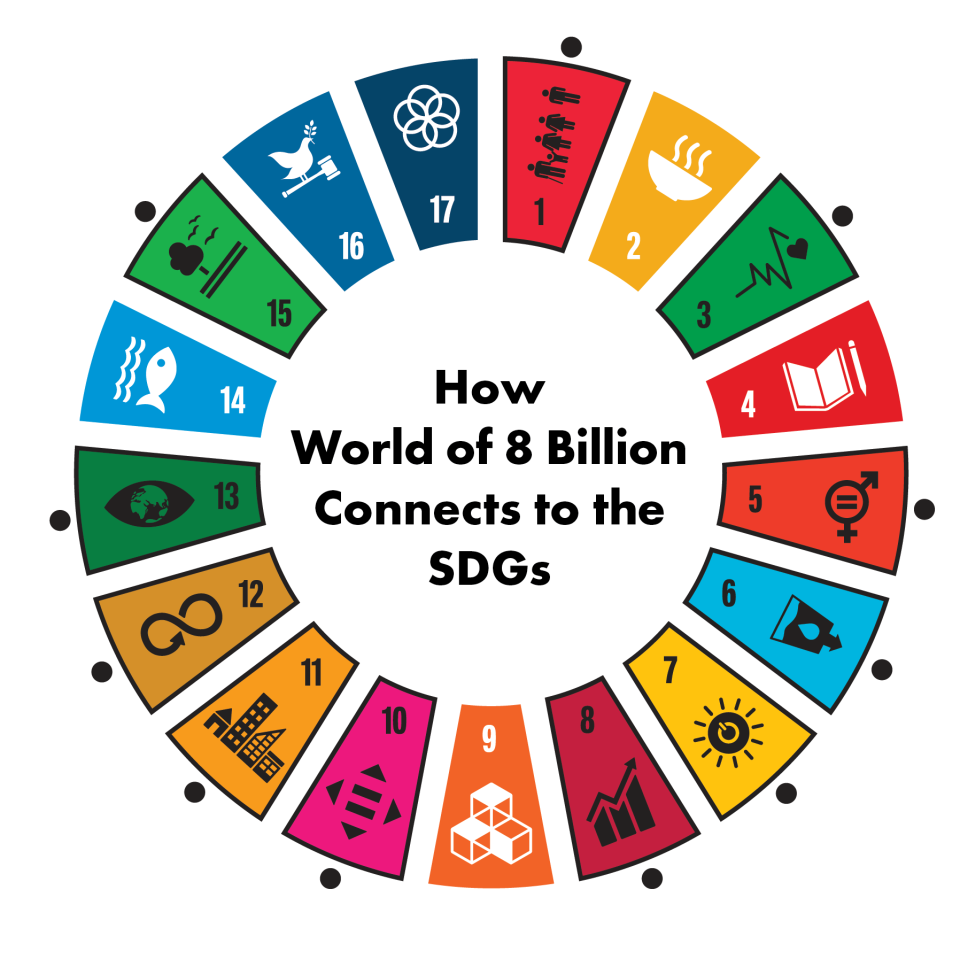
Access to affordable, reliable, and sustainable modern energy for all is Goal 7 of the United Nations Sustainable Development Goals (SDGs). When connected to a larger energy grid, day-to-day functions are made easier and safer. Achieving SDG 7 will help in the development of many countries as a whole; however, there are environmental and human health risks to take into account while doing so.
Learn more about the global topic of energy by reading the full topic backgrounder. For more information about how to use the topic backgrounders, watch the short video below.