
The Importance of Youth Storytelling
In every generation, there are young voices that rise up and help us see the world not just as it is, but as it could be. Today’s youth are growing up in a time of rapid environmental change — melting ice caps, extreme weather, disappearing species — and yet, amidst these challenges, they are embracing youth environmental storytelling as a powerful way to tell the story of our planet. Through writing, art, video, and digital media, young people are transforming concern into creativity. Their stories don’t simply describe the world’s problems; they reimagine its possibilities.
What is Environmental Storytelling?
Environmental storytelling is the practice of using narrative—through words, visuals, film, art, or digital media—to communicate environmental issues in a human, relatable, and emotionally engaging way.
Instead of focusing only on facts, statistics, or scientific data, environmental storytelling connects people to the environment through lived experiences, values, and imagination. It helps audiences understand why environmental issues matter, not just what is happening.
Key Elements of Environmental Storytelling
- Human-centered narratives: Real people, communities, or future generations are placed at the heart of environmental issues.
- Emotion + empathy: Stories evoke care, concern and hope, making complex issues feel personal.
- Creative mediums: Film, writing, photography, art, podcasts, and social media are often used.
- Purpose-driven: The goal is often to raise awareness, inspire action, or shift perspectives.
Examples
- A student film showing how climate change affects their hometown
- A poem about disappearing wetlands
- A short video imagining a sustainable future city
- A personal essay connecting family traditions to environmental loss
Telling Stories is Environmental Action
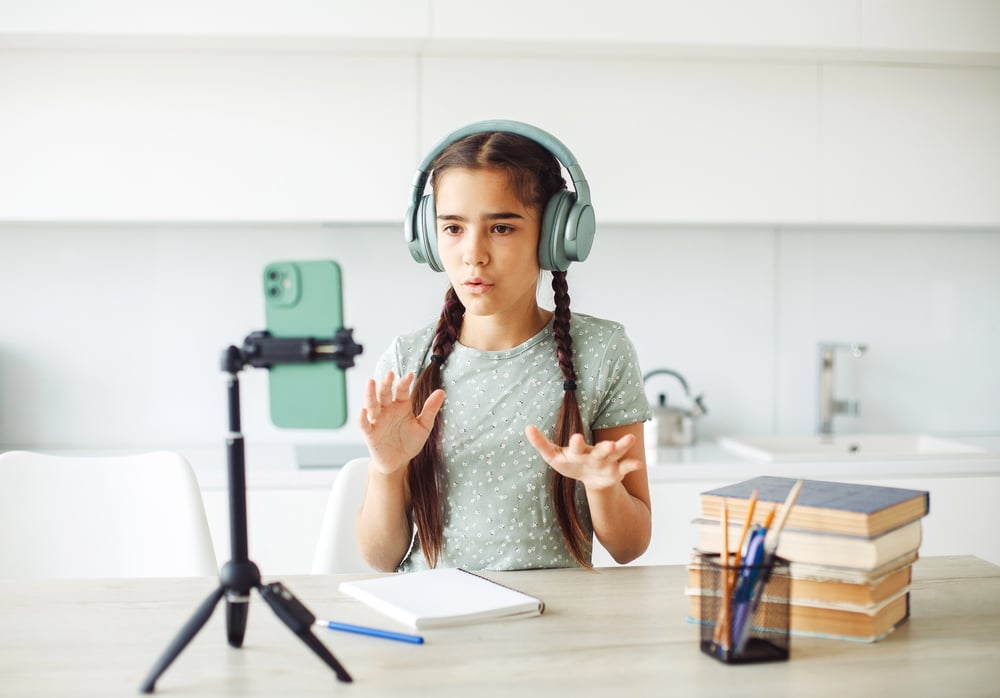
Youth storytelling is more than self-expression; it’s a form of environmental action. When young people share their perspectives, they humanize data, bridge generations, and remind us all that the future isn’t just a concept; it’s a story we are co-writing together. And in this moment, their voices matter more than ever: digital tools now give young people unprecedented ways to broadcast their ideas to global audiences. With just a phone or a laptop, their stories can spark movements, challenge assumptions, and influence public dialogue faster than previous generations ever could.
Storytelling Through Film
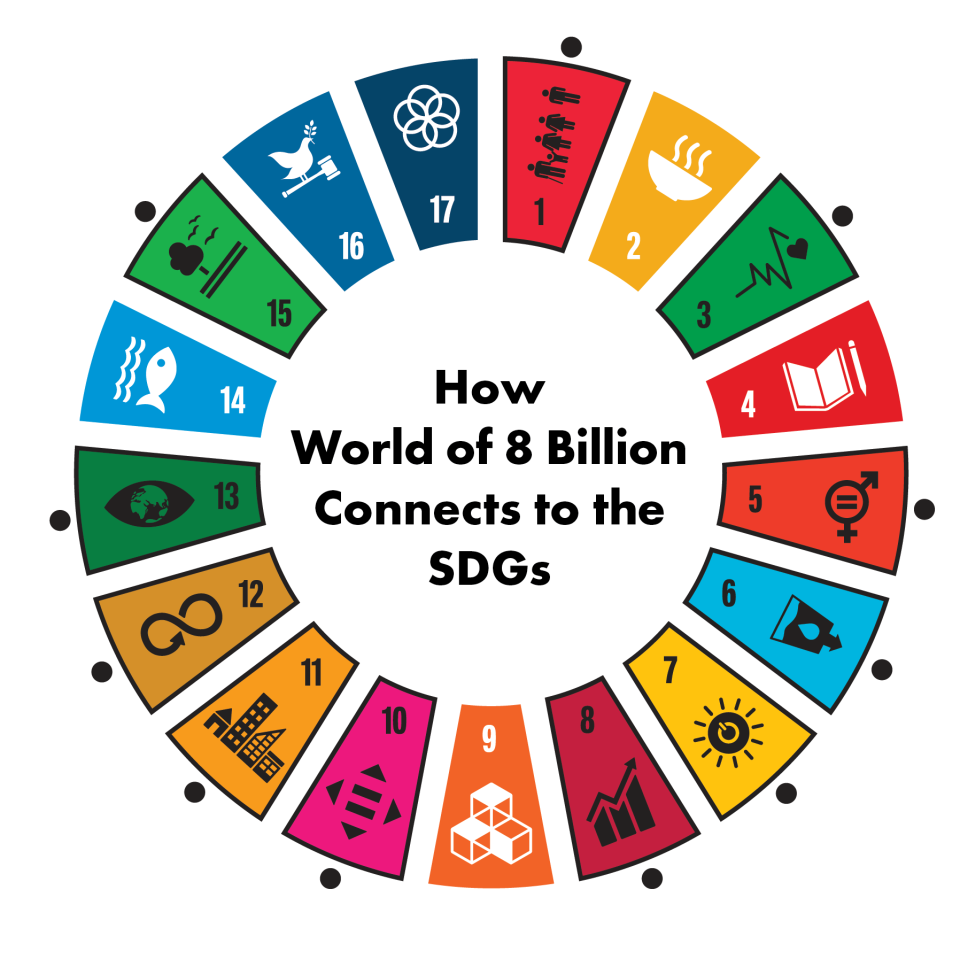
One opportunity for youth to amplify their voices is by participating in the World of 8 Billion’s 2025–2026 contest, which invites students in grades 6-12 in grades 6-12 from around the world to research and propose solutions to pressing topics related to the global population and sustainability. This year’s themes — Energy, Wetlands, and Economics — encourage participants to explore the interconnectedness of environmental and social systems while developing creative, science-backed solutions.
The contest offers more than just a platform for displaying research and creativity. It gives students a meaningful way to voice their concerns, share solutions, and engage others in dialogue about global and local challenges. Because every individual brings unique talents and skills, working in a team allows students to collaborate, delegate responsibilities, and highlight each member’s personal strengths in the video creation process.
Empowering Student Agency
For many young people who aren’t yet able to vote, it can feel like their voices don’t matter in shaping the policies and laws that affect their future. Yet through storytelling, and projects like this contest, they can inspire awareness and action in their families, schools, and communities. A well-told story has the power to change minds, influence behavior, and spark collective hope.
Ultimately, youth storytelling reminds us that the fight for a sustainable world is not just about facts and figures; it’s about empathy, imagination, and the belief that another world is possible. When young people tell their stories, they don’t just speak about the future — they begin to shape it.