Congratulations to the winners of the 2025-2026 World of 8 Billion Student Video Contest! View the Winners!

Home arrow breadcrumb Activism Toolkit arrow breadcrumb Activism Roadmap

Activism Roadmap

Follow the roadmap to gain a better understanding of activism, define your challenge, explore activities, set goals, take action, and share your commitment.

There are two ways to navigate the Roadmap.
Click below for your own copy or use the five colorful tabs to jump right in.

Get the Roadmap


Download Roadmap PDF

activism icon
Step 01

Learn About Activism

bullseye
Step 02

Choose and Define Your Challenge

magnifying glass
Step 03

Explore Activism Activities

flag icon
Step 04

Set Goals and Plan

arrow icon
Step 05

Take Action and Share

What is Activism?

Activism is when an individual or group takes action to raise awareness and create change. This can take place on a local to global scale, and there are many types of activism ranging from daily changes to civic engagement. Read on to explore different ways you can be an activist.

Pathways to Activism

There are different pathways to activism. Not all of them look the same, but they all start with a problem you care about and want to solve. Identify and choose an issue you are passionate about by using ideas in this Toolkit, or come up with your own. Then follow the Toolkit for guidance on creating and organizing actionable steps around your idea. You’ll find examples of things you can do to make a difference, working independently or collectively with others.

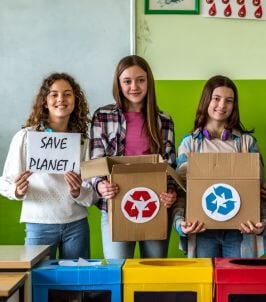
students participating in activism

What is Individual Action?

When one person or a small group decides to take action to tackle a particular issue and make an impact on their immediate or larger community, working independently of other activist groups. Individual action encourages you to reflect on your own values and identify specific challenges you want to address.

Examples: A person writes to local legislators, takes photographs, cuts down their energy use, or makes a podcast to inform others

What is Collective Action?

When one person or a small group works with other activists to address a specific issue. Collective action fosters community building and can grow in scale and impact. Collective action focuses on the power of collaboration and group efforts to create a lasting change.

Examples: A school-wide composting project, starting an environmental zine club, engaging in a community project, joining a national organization to spread awareness of their cause

How to Use the Activism Toolkit

This Toolkit is designed for students like you who are ready to take action in and outside of your community! Whether you participated in the World of 8 Billion video contest, want to build on your passion for a local issue, or are looking for a place to start an activism journey, this five-step Toolkit is the perfect guide to explore at your own pace.

And by learning what activism is, you’ve already completed step one!
 

Choose and Define Your Challenge

Ask yourself these questions to help define the changes you want to make.


what challenge do you want to address icon

What challenge do you want to tackle?

Example challenges:

Economics, Wetlands, Energy
Find more ideas on the Activism Toolkit homepage


Why?

Why is this challenge important to you?

Why is it important to your community?


What are some changes you would like to see?

In your community?

Globally?


Explore Activism Activities

We’ve curated examples of activism activities to help you brainstorm the best civic action for you. But this list is not exhaustive – there are many more actions you can take to make a difference!

We’ve split our examples into four categories: daily changes, creative expression, civic engagement, and amplifying voices. Each category includes ways to take action as an individual or collectively with other activists. Click the boxes below to explore different outlets for creating change on issues important to you.


Daily Changes


Individual Actions

What daily changes can you make as an individual to improve issues you care about?


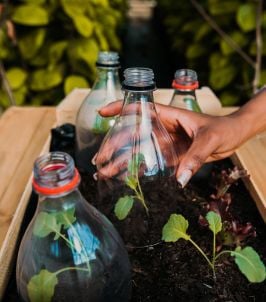
reusing plastic bottles

Divert waste from the landfill

There are numerous ways to limit the amount of waste you add to a landfill. From mending old clothes to reducing single-use plastics, small changes you make each day can make a big difference.


student turning off lights

Cut down energy use

We depend on energy to power our lives, but there are ways to lower the amount of energy we use daily. Calculate your ecological footprint and explore how to reduce your energy use at the end of the quiz.


student using cell phone

Reduce your use of AI

According to the UN Environmental Programme, Artificial Intelligence (AI) requires rare Earth materials, produces hazardous electronic waste, and requires large amounts of water and energy. Explore this Girls Who Code resource for ideas on how you can use AI responsibly.


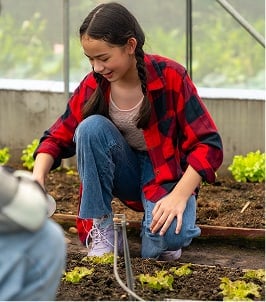
student gardening

Support sustainable agriculture

Planning meals around food that is local and in season reduces the need for transportation, supports the local economy, and is fresher and often more nutritious. Use this Seasonal Food Guide to help you create a sustainable plan.


Collective Actions

How can you coordinate with others to make daily changes collectively, to create a larger impact?


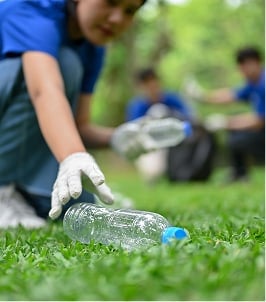
student picking up litter

Organize or participate in a litter clean-up

Whether you organize a litter clean-up at your school or join a local or national clean-up, you can make a difference. The Great Global Clean-Up project helps connect volunteers dedicated to cleaning up plastic pollution.


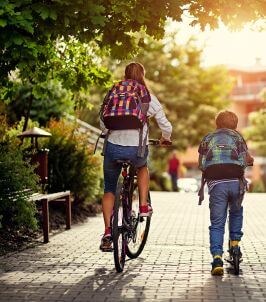
walking and biking to school

Plan “car-free” get-to-school days

Help lower emissions and traffic in your community by reducing the number of cars traveling to and from your school. Walk, Bike, and Roll to School has resources to help you plan or sign up to participate in a local car-free event.


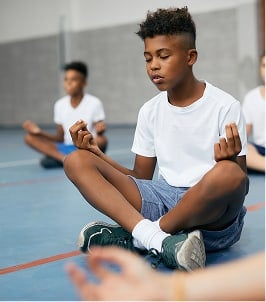
students meditating in gym class

Create a community space for wellbeing

Taking mindful moments gives you time to reflect on ways to protect the environment. Organize a meetup with other students at your school and use our Mindfulness Journal to promote personal and community wellbeing.


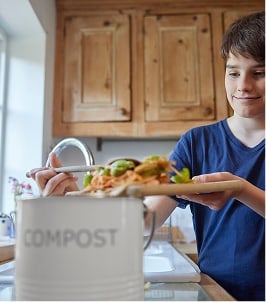
student composting

Start a school-wide composting project

Composting reduces the amount of waste headed to landfills, enriches soil, and decreases greenhouse gas emissions. Use this Grades of Green guide to begin composting at your school.


Creative Expression


Individual Actions

How can you bring awareness to important issues in creative ways?


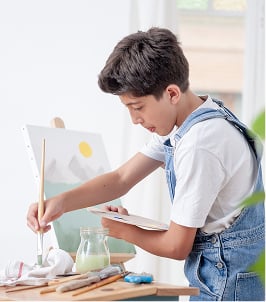
student painting

Create a painting

Paintings can turn complex issues into something people can feel and understand. Get involved with Art & Activism, which combines vivid imagery and social issues to inspire empathy and action.


student playing guitar

Write a song

Music can transform important issues into powerful messages using lyrics and instrumentals. Make “message music” and share it online within your circle or even the wider community.


student taking photographs

Take photographs

Photography is an important art form for capturing real-world events as they unfold. Photojournalism is a powerful tool in activism and truth-telling.


student giving a speech

Give a speech or monologue

Speeches are passion-filled tools used by activists to mobilize people. Using your own words and help from WriteShop, write a speech describing the change you wish to see in the world and share it with family, peers, or at a youth open mic night.


Collective Actions

What are some ways to use creative outlets collectively to inspire others to become activists?


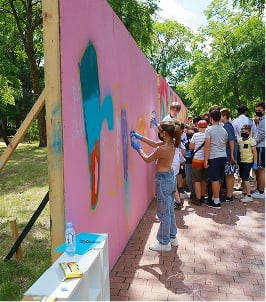
student painting a mural

Paint a mural

Public art can spark meaningful conversations about pressing issues. Bring together fellow volunteers to blend art and activism with a mural that reflects your community’s call for social, political, and environmental change.


students planting a garden

Plant a pollinator garden

Planting a pollinator garden is a hands-on form of activism that helps communities protect native flora and fauna and maintain biodiversity in their neighborhoods. Join or organize a group to grow native plants that support pollinators throughout the seasons.


teen making a zine

Start a Zine club

Zines, which are self-published booklets, are a creative way to share ideas and inspire others to take action. Learn how to make a zine and start an activist’s Zine club at your school.


teens hosting a community show

Host a community show

Theater and performance are used by activists to memorably confront social issues. Use the stage to share topics that matter. Through acting, song, dance, or creating your own skits, you can inspire others and create change with your performance.


Civic Engagement


Individual Actions

How can you develop the skills and knowledge needed to take civic action and raise awareness individually about an issue in your community?


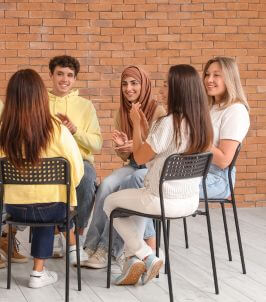
teens discussing activism

Start a conversation with your peers

Spark the interest of others by starting a conversation. The video RetroReport: How to Respectfully Disagree shows how to engage in civil discourse.


student contacting legislator

Reach out to your Legislators

Use these tips or this email template to help craft your message to legislators. Then search for your Representative or Senators to learn how to contact them.


audience watching community event

Participate in a local or community event

Attend a community event to meet other like-minded individuals and find ways to create change in your community. The NJ.Com Free Youth Summit article shows an example of an event you could attend.


registering to vote

Register to vote

Register to vote if you are 18 years or older or about to turn 18. If you’re under 18, Rock the Vote also gives you the option to pre-register to vote. Registration guidelines vary for each state.


Collective Actions

How can a collective group help spread your message further and address community challenges on a larger scale?


students organizing book drive

Engage in Community Projects

Start a neighborhood clean-up, organize a book donation drive, and more. DoSomething provides great ideas to build community.


students participating in global youth organization

Join a global youth organization

Connect with other like-minded youth activists from across the globe to share your solutions and gain access to conferences. The UNESCO Youth Climate Action Network is one example that connects young people globally to take action.


volunteering at community event

Volunteer at community events

Support a cause you are passionate about by volunteering your time and talents at a community event. Search Idealist’s Volunteer Match to find volunteer events near you.


working tabling event

Assist at tabling events for voting registration

Encourage others to vote and help them register by volunteering at a voter registration event. If you can’t find a tabling event near you, start a virtual voter registration drive on social media.


Amplify Voices


Individual Actions

What can you do to help others learn more about the issues you care about?


writing a letter

Write a letter to the editor

Was there a recent news article about an issue you care about? Write a letter to the editor to provide your point of view as a response. Using this model letter from SEACC can help you get started.


student podcasting

Make a podcast

From organizing ideas to purchasing materials, starting a podcast can feel overwhelming. Luckily, it’s been done before! This how-to checklist is available as you get started podcasting.



teenager making social media post

Use social media

Posting on social media is an easy way to spread the word to people near and far. Use the Activist Handbook for tips on creating inclusive, accessible posts.


student recording a video

Create and share a video

Film an eye-catching video to expand the support for your movement. Here are some tips on visuals, editing, and distributing your video to help you get started.


Collective Actions

How can you join others to get the word out and involve the community to make a difference?


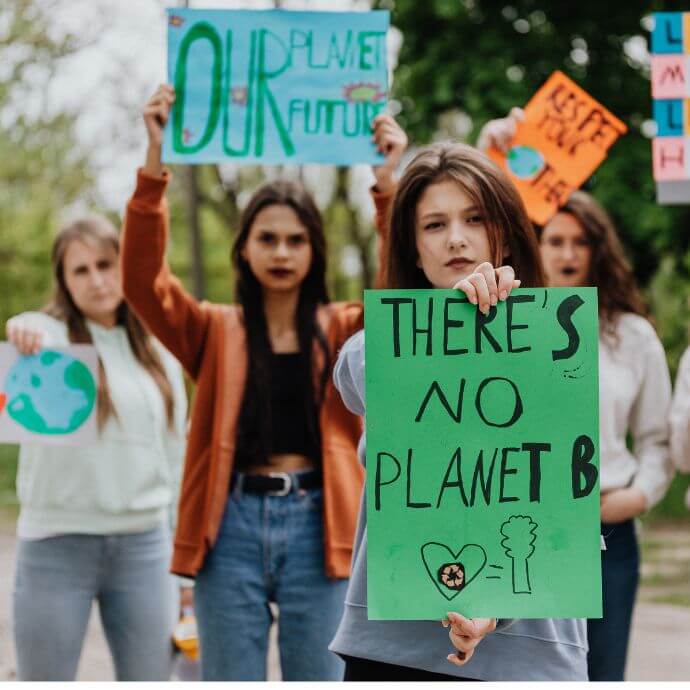
students protesting

Attend a protest or rally (or organize your own!)

Gathering with a group of like-minded people is empowering and effective in getting a message across to the desired audience. Refer to this Find a Protest map to join an existing event, or follow this guide to organize your own.


discussion at community meeting

Host a meeting or informative session

Involve members of your community face-to-face by hosting a meeting at an accessible location. Find information on reserving a room at the library through the ALA or get ideas on collaborating with a local coffee shop through Toast.


hanging up flyers

Design a poster campaign

Colorful posters and flyers in areas of high foot traffic can attract a lot of attention. Create or join a group to design and distribute informational flyers on your chosen issue.


students gathering community signatures

Learn from your community

To identify what work will most benefit community members, it is best to refer to them directly. Consider conducting a community survey – here’s a guide to help.


Set Goals and Plan

Outline Your Impact Plan

Now that you’ve explored a variety of activism activities, outline a goal that you would like to accomplish to make an impact on your challenge.

Get the Impact Plan

Download Impact Plan PDF

How to Write a Goal

To help write your goal, answer the following questions: What do you want to accomplish? How will your goal make an impact on the challenge you chose? When would you like to complete your goal? How will you measure your success? Is your goal achievable with your resources and time?

students picking up trash

Check out these examples:


Individual Goals

Examples of goals that you can make as an individual for a better world.


student turning off lights

Audit your electronics use and commit to screen-free evenings twice per week.

student taking photographs

Volunteer to photograph a local community event and share the images with organizers.

Collective Goals

Examples of goals that you can work on with others in your community to make a difference.


student composting

Launch a school-wide composting system and track how much waste is diverted each month.

student art exhibit

Organize a student photography or art exhibit focused on sustainability and invite your community.

Take Action and Share

Let’s do this!

Take Action, record your progress highlights, plan next steps, and share your commitment and impact.

Explore the tips below on this page to help you complete your Activism Commitment.

Get the Activism Commitment

Download Activism Commitment PDF

students participating in activism

Take Action & Record Progress

It’s time to take action! Keep track of your accomplishments on the Activism Commitment sheet. Recording highlights is a helpful way to remember all the great work you have accomplished.

  • Note progress as you complete your Impact Plan. If you need more space, journal your progress in a separate notebook.
  • Draw pictures of your activism journey. Visuals can be paired with words and labels for clarity.
  • Take photos along the way to document your actions and impact.


Plan Next Steps

Brainstorm the next steps you would like to take to keep your activism going.

  • Reflect on your progress and record: What went well? What would you like to change?
  • How can you bring new people into the project to widen the reach of your goals? Collaborating with new stakeholders adds fresh ideas.
  • As you accomplish goals, set new ones to expand your impact even further. Use this toolkit to brainstorm new ways to make an impact.


Share Commitment & Impact

Sharing your project with others is a great way to spread your message and inspire others to take action too!

  • Start a conversation about your work with your classmates, teachers, and community members.
  • Write a blog of the steps you took, from start to finish, to share as a guide for other activists.
  • Write your goal on this template to share your Activism Commitment with others on social media. Tag Population Education on BlueSky, LinkedIn, and Facebook to be featured on our socials!